How Does Mobile App Development Solve Business Needs
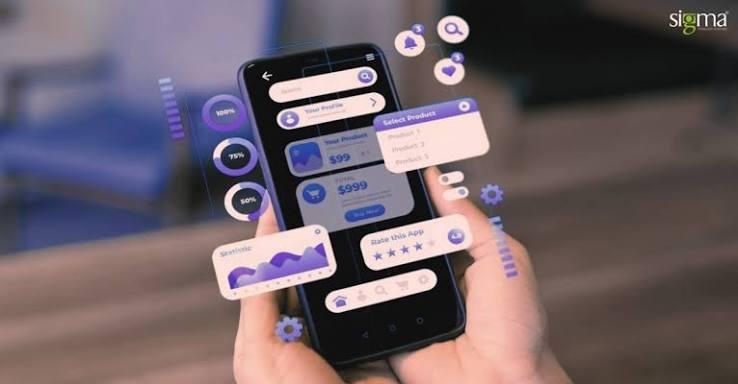
Modern businesses face increasing challenges in managing operations, reaching customers, improving services, and staying competitive in the digital marketplace. Traditional business methods are no longer enough to meet the expectations of customers who want fast, convenient, and personalized experiences. Digital technology provides new opportunities to overcome these challenges and improve business performance. Mobile App Development helps companies create customized applications that address specific business requirements, simplify daily operations, and strengthen customer relationships. From online payments and customer support to data management and marketing, mobile applications provide practical solutions for businesses of different sizes. Understanding how these applications solve common business needs can help companies make better technology investments and achieve sustainable growth.
1. Improves Customer Communication
Effective communication is essential for building strong customer relationships. Businesses need reliable ways to share information, respond to questions, and keep customers informed about their products and services.
Provides Direct Communication Channels
Mobile applications allow companies to connect with customers through in-app messaging, live chat, contact forms, and support options. These features make it easier for users to ask questions and receive assistance.
Sends Important Updates
Push notifications help businesses communicate product announcements, service updates, promotional offers, and important reminders. Relevant notifications keep customers informed and encourage continued interaction.
2. Simplifies Daily Business Operations
Managing everyday activities manually can consume valuable time and resources. Mobile applications help businesses automate routine tasks and make operational processes more efficient.
Automates Repetitive Tasks
Applications can support appointment scheduling, order processing, payment management, and customer information handling. Automation reduces manual work and allows employees to focus on more important responsibilities.
Improves Workflow Management
Businesses can use mobile solutions to manage tasks, monitor progress, and share information between departments. Better coordination helps teams complete activities efficiently and reduces communication gaps.
3. Enhances Customer Experience
Customer satisfaction directly influences business reputation and long-term success. A well-designed mobile application provides convenient access to products, services, and essential information.
Offers Easy Access to Services
Customers can browse products, make bookings, place orders, and manage accounts through a single application. This convenience saves time and makes business services more accessible.
Creates Personalized Experiences
Businesses can use customer preferences and interaction data to provide relevant recommendations, tailored offers, and useful content. Personalized experiences help customers feel valued and understood.
4. Supports Business Growth and Sales
Increasing revenue is a major objective for most organizations. Mobile applications create additional opportunities to promote products, attract customers, and simplify purchasing decisions.
Expands Sales Opportunities
E-commerce applications allow businesses to display products, share detailed descriptions, and accept orders online. Customers can explore available options and purchase products without visiting a physical location.
Improves Conversion Rates
Simple navigation, clear product information, secure payment options, and convenient checkout processes can encourage customers to complete purchases. A smooth buying experience may also reduce abandoned transactions.
5. Strengthens Business Marketing
Traditional marketing methods often have limitations when businesses want to reach specific audiences. Mobile applications provide digital marketing opportunities that support targeted communication and customer engagement.
Promotes Products and Services
Businesses can use in-app banners, promotional messages, and special discounts to introduce products and services. These features help companies communicate marketing campaigns directly to application users.
Builds Brand Recognition
A branded application provides a consistent digital experience through logos, colours, content, and design. Regular interaction with the application can help customers become more familiar with the business.
6. Improves Data Management and Decision-Making
Businesses need accurate information to understand performance and identify new opportunities. Mobile App Development can provide tools that help companies collect, organize, and analyze useful business data.
Collects Valuable Customer Insights
Applications can track user activity, product preferences, purchasing patterns, and customer feedback. These insights help businesses understand what customers need and how they interact with services.
Supports Better Decisions
Analytics and reporting features allow business owners to monitor important performance indicators. By understanding trends and customer behaviour, companies can make informed decisions about marketing, products, and operations.
7. Provides Better Customer Support
Reliable customer support helps businesses build trust and maintain positive relationships. Mobile applications make support services easier to access and manage.
Offers Convenient Support Options
Businesses can integrate live chat, help sections, frequently asked questions, and support request forms. Customers can find answers without searching through multiple communication channels.
Resolves Customer Issues Faster
Organized support requests and automated responses can help teams manage common questions more efficiently. Faster assistance improves the overall customer experience and reduces frustration.
8. Improves Business Security
Protecting customer information and business data is essential in the digital environment. Mobile applications can include security features that reduce risks and protect sensitive information.
Uses Secure Authentication
Features such as strong passwords, multi-factor authentication, and secure login processes help prevent unauthorized account access.
Protects Business Information
Encryption, secure data storage, access controls, and regular security updates help safeguard important information. Businesses should also follow applicable privacy and data protection requirements.
9. Creates Competitive Advantages
Businesses need to adapt to changing customer expectations and industry developments to remain competitive. A useful mobile application can help companies deliver services more conveniently than traditional methods.
Offers Innovative Digital Services
Companies can introduce features such as online booking, real-time tracking, digital payments, and personalized recommendations. These solutions can improve convenience and differentiate a business from competitors.
Adapts to Changing Customer Needs
Applications can be updated as customer expectations and business requirements evolve. Adding useful features and improving existing functionality helps companies remain relevant in their industries.
10. Supports Business Scalability
As a business grows, its operational requirements and customer demands may increase. Mobile applications can provide flexible solutions that support expansion.
Handles Increasing Customer Demand
Scalable application architecture and cloud-based services can help businesses manage growing numbers of users and transactions. Proper planning ensures that the application can accommodate future requirements.
Supports Future Business Expansion
Companies can introduce new services, additional payment options, and improved features as their operations develop. This flexibility allows businesses to expand their digital capabilities without rebuilding their entire application.
Conclusion
Mobile App Development solves business needs by improving communication, simplifying operations, increasing sales opportunities, and enhancing customer experiences. It also supports marketing activities, strengthens data management, improves security, and provides valuable insights for better decision-making. Whether a company wants to automate daily tasks, reach more customers, or expand its digital services, a customized mobile application can provide practical solutions. However, successful results depend on understanding business objectives, selecting appropriate technologies, and focusing on customer requirements. By investing in a well-planned mobile application, businesses can improve efficiency, strengthen their market position, and achieve sustainable long-term growth.
Join the Conversation
Share Your Thoughts
Related Articles

What Are the Benefits of University of Wolverhampton?
Explore the courses offered by the University of Wolverhampton, including undergraduate and postgraduate programs, popular subjects, and study options for international students.

University of Wolverhampton Entry Requirements Guide
University of Wolverhampton foundation year: entry requirements, IELTS 5.5, and fees from £17,600, plus free guidance on your eligibility.

What Are the Key Rules of Contract Law
Contract lawyer in Lahore for drafting, reviewing, and amending contracts, and resolving contract disputes. Book a consultation with Rana & Baig Law Firm.