How to Build Career Skills at University of Birmingham
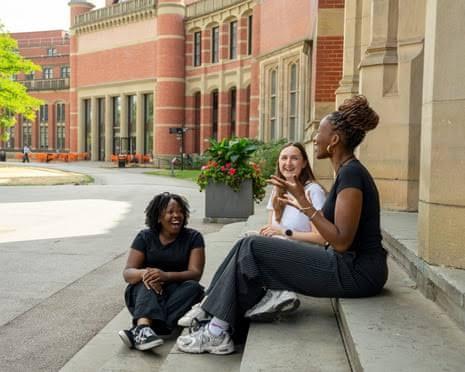
Choosing the right university is an important step towards building a successful career. Students today need more than academic qualifications to compete in the global job market. Employers look for practical experience, communication abilities, leadership, teamwork, problem-solving and professional confidence. The University of Birmingham provides students with opportunities to develop these essential skills while completing their degrees.
Located in the UK, the university focuses on academic development and career preparation. Through career support services, internships, employer connections, practical projects and extracurricular activities, students can prepare for professional challenges. Whether you want to work in business, engineering, law, healthcare, technology or another industry, developing career skills during university can help you achieve your ambitions.
Why Are Career Skills Important for University Students?
A university degree provides subject knowledge, but employers also want graduates who can apply what they have learned in real working environments. Career skills help students communicate professionally, manage responsibilities and work effectively with different people.
Developing these abilities before graduation can make the transition from university to employment easier. Students who gain practical experience and participate in professional activities can also build stronger CVs and become more confident during job interviews.
The University of Birmingham encourages students to explore different opportunities and develop skills alongside their academic studies. This approach helps students understand workplace expectations and identify their future career interests.
Use the Careers Network to Develop Professional Skills
One of the valuable resources available at the University of Birmingham is its Careers Network. This service helps students explore career options, improve their applications and prepare for employment.
Students can benefit from several types of support, including:
CV and cover letter guidance.
Interview preparation and practice.
Career planning appointments.
Employer events and recruitment fairs.
Professional development workshops.
Mentoring and career advice.
These services help students understand what employers expect from graduate applicants. For example, professional CV guidance can help students present their education, experience and achievements more effectively.
Students should start using career support services early rather than waiting until their final year. Early preparation gives them more time to improve their skills and explore suitable career opportunities.
Gain Practical Experience Through Internships and Placements
Practical experience is one of the most effective ways to develop career skills. Classroom learning provides important knowledge, but internships and placements allow students to understand how organisations operate.
The University of Birmingham provides opportunities to explore internships, part-time employment, volunteering and employer-based projects. These experiences help students apply their academic knowledge to real workplace situations.
Students may develop:
Communication and teamwork.
Time management and organisation.
Problem-solving abilities.
Professional responsibility.
Industry knowledge.
The university's work experience opportunities include paid part-time roles, internships and consultancy-style projects. Its Careers Network also provides guidance to help students find suitable opportunities. Some undergraduate students may be eligible for financial support through work experience bursary schemes.University of Birmingham+1
Improve Communication and Teamwork Skills
Communication and teamwork are important in almost every professional industry. Employers want graduates who can share ideas, listen to others, participate in discussions and work towards common goals.
At the University of Birmingham, students can improve these abilities through group assignments, presentations, classroom discussions and collaborative projects.
Working with students from different academic and cultural backgrounds also provides opportunities to understand different perspectives. This experience can help international students become more confident when communicating in multicultural workplaces.
Students should actively participate in group activities, contribute ideas and take responsibility for assigned tasks. These small steps can gradually improve professional communication and leadership abilities.

Participate in Real-World Employer Projects
Working on real-world challenges can help students understand how businesses solve problems and make decisions. The University of Birmingham offers employer-linked activities that allow students to apply their knowledge to practical situations.
For example, The Birmingham Project brings first-year undergraduate students together in multidisciplinary teams to develop solutions to employer-set challenges. The programme encourages collaboration, creativity, research and problem-solving.
Other opportunities include the Impact Challenge and consultancy-style projects. These activities help students understand business requirements, develop recommendations and present their ideas professionally.
Such experiences are valuable because they allow students to demonstrate practical abilities instead of relying only on academic results.
University of Birmingham+1
Develop Leadership and Problem-Solving Abilities
Leadership is another important skill that can support long-term career development. Employers value individuals who can take responsibility, make informed decisions and help teams achieve shared objectives.
Students at the University of Birmingham can develop leadership skills by participating in student societies, volunteering programmes, group projects and university activities.
Taking responsibility for organising an event, managing a student project or supporting other students can provide useful leadership experience. These activities also help students become more confident when handling unexpected challenges.
Problem-solving is equally important. Students who learn to analyse situations, consider different solutions and make effective decisions are better prepared for professional responsibilities.
Build Professional Connections Through Networking
Networking allows students to connect with employers, industry professionals, university graduates and other students. These connections can provide valuable career advice and help students discover employment opportunities.
The University of Birmingham organises careers fairs, employer presentations and professional networking events through its Careers Network. Students can interact with organisations from different industries and learn about available career pathways.
The university also provides access to alumni connections and mentoring opportunities. Experienced graduates can share their professional knowledge, discuss industry expectations and offer guidance about career development.
Building professional relationships during university can help students understand their chosen industries and become more confident when applying for jobs.
University of Birmingham+1
Explore Entrepreneurship and Business Opportunities
Not every graduate wants to follow a traditional employment route. Some students may prefer to establish their own businesses, develop innovative products or work independently.
The University of Birmingham supports entrepreneurial development through its B-Enterprising programme. Students can explore business ideas, develop entrepreneurial skills and learn how to turn their ambitions into practical projects.
Entrepreneurship activities can help students improve:
Creative thinking and innovation.
Business planning and decision-making.
Financial awareness.
Leadership and organisation.
Marketing and communication.
These abilities are useful not only for starting a business but also for working in modern organisations where creativity and independent thinking are highly valued.
Take Advantage of Extracurricular Activities
Career development does not happen only inside classrooms. Extracurricular activities allow students to explore their interests, meet new people and develop transferable skills.
At the University of Birmingham, students can participate in societies, sports clubs, volunteering programmes and student-led initiatives. These experiences can help them become more organised, responsible and confident.
Volunteering is particularly useful for students who want to gain experience before entering full-time employment. Supporting charities, community organisations or university projects can demonstrate commitment, teamwork and social responsibility.
Students can also use these experiences to strengthen their CVs. Employers often appreciate candidates who can demonstrate how they have developed useful skills outside their academic studies.
How the Birmingham Award Supports Career Development
The Birmingham Award is an employability programme designed for undergraduate students. It helps participants recognise the professional skills they develop through extracurricular activities and other experiences.
Students can use their involvement in volunteering, work experience and university activities to understand their strengths and communicate their achievements more effectively.
This is particularly useful when preparing job applications and attending interviews. Instead of simply listing activities on a CV, students can explain what they learned, which responsibilities they handled and how their experiences improved their abilities.
The programme provides an additional way to connect university experiences with future professional goals.
University of Birmingham+1
Career Opportunities for International Students
International students can benefit from developing career skills while studying in the UK. Studying in a different country provides opportunities to improve communication, adaptability, independence and cultural awareness.
The University of Birmingham offers careers support for international students, helping them explore employment options, develop professional skills and understand recruitment processes.
Students should make use of career workshops, employer events, mentoring and work experience opportunities. They should also research the requirements of their chosen profession and understand the relevant UK immigration and employment rules.
Building a professional network and gaining practical experience can help international students become more prepared for future opportunities in the UK and other countries.
Tips for Building Career Skills During Your Degree
Students can make better use of their university experience by following a consistent career development plan.
Here are some practical suggestions:
Identify your career interests and professional goals.
Attend career workshops and employer networking events.
Apply for internships and suitable part-time roles.
Participate in group projects and student societies.
Improve your communication and presentation abilities.
Volunteer to gain additional practical experience.
Regularly update your CV and LinkedIn profile.
Seek feedback from lecturers, mentors and career advisers.
Following these steps can help students build valuable experience throughout their degrees rather than waiting until graduation.
Conclusion
Building career skills is an essential part of achieving long-term professional success. The University of Birmingham provides students with opportunities to develop practical abilities through internships, employer projects, career guidance, networking, mentoring and extracurricular activities.
From improving communication and teamwork to developing leadership and entrepreneurial thinking, students can gain valuable experience alongside their academic qualifications. Making use of these opportunities can help graduates become more confident, competitive and prepared for the global employment market.
For students planning to study in the UK, the University of Birmingham offers an environment where academic learning and professional development can work together to support future career ambitions.
Join the Conversation
Share Your Thoughts
Related Articles
What Are the Benefits of University of Wolverhampton?
Explore the courses offered by the University of Wolverhampton, including undergraduate and postgraduate programs, popular subjects, and study options for international students.
University of Wolverhampton Entry Requirements Guide
University of Wolverhampton foundation year: entry requirements, IELTS 5.5, and fees from £17,600, plus free guidance on your eligibility.

What Are the Key Rules of Contract Law
Contract lawyer in Lahore for drafting, reviewing, and amending contracts, and resolving contract disputes. Book a consultation with Rana & Baig Law Firm.