How to Choose the Right Course at De Montfort University
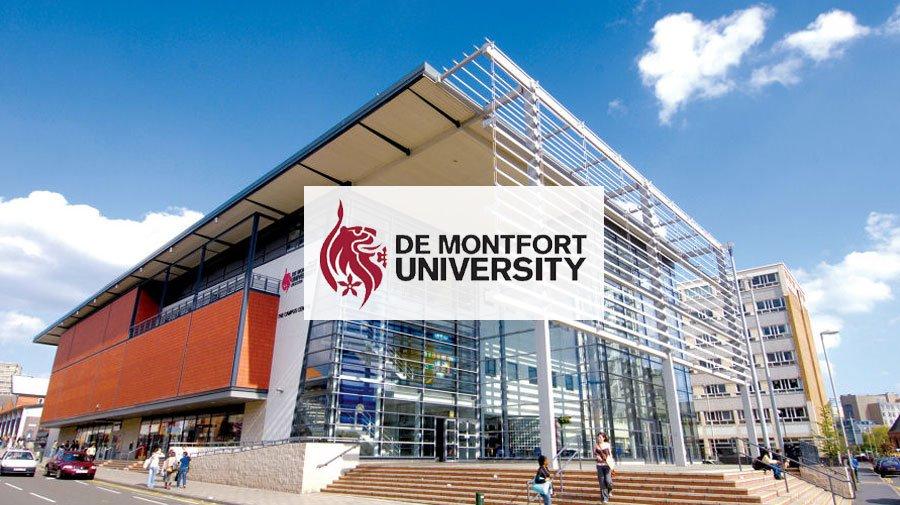
Choosing the right university course is one of the most important decisions for any student. It can influence your academic development, future career opportunities, and personal growth. If you are planning to study in the UK, De Montfort University (DMU) is an option worth exploring. Located in Leicester, England, the university offers a wide range of undergraduate and postgraduate programmes designed to support different academic interests and career ambitions.
However, selecting a course should involve more than choosing a popular subject. You need to consider your qualifications, interests, career goals, financial situation, and preferred learning style. Understanding these factors can help you make a confident decision and get the most from your university experience.
Understand Your Academic Interests
The first step in choosing the right course at De Montfort University is identifying your academic interests. Think about the subjects you enjoyed during previous studies and the areas you would like to explore further.
For example, students interested in business may consider management, accounting, marketing, or finance. Those who enjoy technology might explore computing, cybersecurity, or software-related programmes. Creative students may find opportunities in art, design, media, and fashion.
Choosing a subject that genuinely interests you can make studying more enjoyable. It can also motivate you to participate in projects, complete assignments, and develop specialist knowledge.
Before making a decision, explore different subject areas and consider how they connect with your long-term ambitions.
Explore Courses at De Montfort University
De Montfort University offers programmes across several academic disciplines. Exploring these options will help you understand which courses match your interests and qualifications.
Some important subject areas include:
Business and Management: Suitable for students interested in leadership, entrepreneurship, marketing, and business operations.
Computing and Technology: Provides opportunities to explore programming, computer systems, cybersecurity, and digital technologies.
Engineering: Supports students interested in technical knowledge, design, problem-solving, and engineering applications.
Art and Design: Offers creative learning opportunities in areas such as fashion, graphic design, and visual communication.
Health and Life Sciences: Includes subjects connected with healthcare, biological sciences, and professional practice.
Media and Communications: Helps students develop knowledge of media production, communication, and creative industries.
Each programme has its own structure, modules, and learning outcomes. Read the official course information carefully to understand what you will study throughout your degree.
Check the Course Entry Requirements
Before applying, make sure you meet the academic and English language requirements for your chosen programme. De Montfort University sets specific admission criteria depending on the course and level of study.
For undergraduate programmes, applicants generally need suitable previous qualifications, such as A-levels or equivalent international qualifications. Postgraduate applicants usually need a relevant bachelor's degree or an accepted equivalent qualification.
English language requirements are also important for international students. Depending on the programme, applicants may need to demonstrate their English ability through IELTS or another accepted English language qualification.
Some courses may have additional requirements, including portfolios, interviews, professional experience, or subject-specific qualifications.
International students should check the entry requirements for their country and qualification type. If you are unsure whether your academic background is suitable, contacting the university's admissions team can help clarify your options.
Consider Your Future Career Goals
A university course should support your long-term career plans. Before choosing a programme at De Montfort University, consider what type of work you would like to pursue after graduation.
For example, a student interested in becoming a business manager may benefit from studying business management. Someone aiming for a technology career could explore computing or cybersecurity. Students interested in creative professions may consider design, media, or related programmes.
Research the career opportunities associated with each course. Look at the skills graduates can develop and the types of industries where those skills are useful.
It is also worth checking whether the programme includes practical projects, placements, industry-related assignments, or opportunities to work with employers. These experiences can help you understand professional expectations and prepare for employment.
Compare Course Modules and Learning Methods
Two courses with similar titles can offer very different academic experiences. This is why comparing course modules is an important part of selecting the right programme.
Visit the De Montfort University website and review the course structure. Pay attention to compulsory modules, optional subjects, assessment methods, and opportunities to specialise.
Some programmes focus more heavily on examinations and academic research, while others include presentations, practical assignments, group projects, or professional activities.
Consider your preferred learning style. If you enjoy practical work, a programme with workshops and real-world projects may be suitable. If you prefer academic research, look for courses that offer research-based learning and independent study.
Understanding the teaching and assessment methods before applying can help you choose a programme that matches your strengths.
Understand Tuition Fees and Living Costs
Financial planning is another important factor for international students considering De Montfort University. Your budget should include more than tuition fees because studying in the UK also involves accommodation, food, transport, study materials, and personal expenses.
Check the latest tuition fees for your selected course and confirm whether different fees apply to international students. You should also explore available scholarships and financial support opportunities.
Leicester may offer different accommodation options, including university-managed residences and private housing. Compare their prices, locations, and facilities before making a decision.
Creating a realistic budget can help you manage your expenses throughout your studies. It is also important to consider the financial requirements associated with your UK student visa.
Explore Student Support and University Facilities
A positive university experience involves more than attending lectures and completing assignments. Students also need access to academic guidance, learning resources, and personal support.
De Montfort University provides student support services and facilities designed to help students during their academic journey. These may include library resources, study spaces, careers guidance, wellbeing support, and academic assistance.
International students should also consider the support available for adjusting to a new country and education system.
When comparing programmes, explore the facilities connected with your subject. For example, computing students may benefit from specialist technology facilities, while creative students may need access to studios and practical learning spaces.
Having suitable facilities can make it easier to develop knowledge and apply what you learn.
Consider the Benefits of Studying in Leicester
The location of your university can influence your overall student experience. De Montfort University is based in Leicester, a city with a diverse student population and a range of cultural, social, and educational opportunities.
Leicester offers access to shops, restaurants, entertainment venues, public transport, and different accommodation options. Students can also explore local communities and participate in activities outside their academic programmes.
For international students, studying in a multicultural environment can provide opportunities to meet people from different backgrounds and develop communication skills.
Consider whether the city's lifestyle, transport connections, and living costs match your expectations before making your final decision.
Seek Advice Before Making Your Final Choice
If you are uncertain about which programme to select, seek advice before submitting your application. University representatives, education advisers, and admissions teams can help explain course options and application requirements.
Prepare questions about academic eligibility, tuition fees, English language requirements, course duration, and career opportunities.
You should also compare your shortlisted programmes rather than applying without understanding their differences. Make sure the course content matches your previous education and future plans.
International applicants should prepare their academic transcripts, certificates, English language evidence, passport details, and other required documents according to the university's application guidance.
Final Thoughts
Choosing the right course at De Montfort University requires careful research and realistic planning. Start by identifying your interests, exploring available programmes, checking admission requirements, and understanding future career opportunities. You should also compare course modules, tuition fees, student support, and the benefits of studying in Leicester.
The best course is not necessarily the most popular one. It is the programme that matches your academic background, personal interests, financial plans, and professional ambitions. By making an informed decision, you can take a positive step towards achieving your educational goals and building a successful future in the UK.
Join the Conversation
Share Your Thoughts
Related Articles

What Are the Benefits of University of Wolverhampton?
Explore the courses offered by the University of Wolverhampton, including undergraduate and postgraduate programs, popular subjects, and study options for international students.

University of Wolverhampton Entry Requirements Guide
University of Wolverhampton foundation year: entry requirements, IELTS 5.5, and fees from £17,600, plus free guidance on your eligibility.

What Are the Key Rules of Contract Law
Contract lawyer in Lahore for drafting, reviewing, and amending contracts, and resolving contract disputes. Book a consultation with Rana & Baig Law Firm.