How to Develop a Unique Brand Identity Design
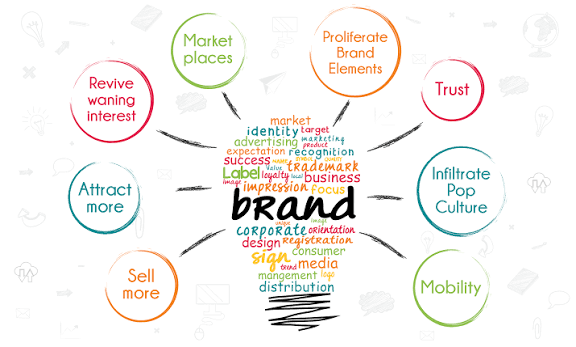
In today's competitive market, businesses need more than quality products or services to stand out. They need a clear identity that customers can recognise, trust, and remember. Brand Identity Design helps businesses communicate their personality, values, and purpose through visual elements and consistent messaging. A strong identity creates a lasting impression and helps customers understand what makes a business different from its competitors.
Developing a unique brand identity requires careful planning, creativity, and a deep understanding of the target audience. From choosing colours and typography to creating a memorable logo, every element should work together to represent the business effectively. By following the right steps, companies can build a recognisable identity that supports long-term growth.
What Is Brand Identity Design?
Brand Identity Design is the process of creating the visual and creative elements that represent a business. These elements help customers identify a brand and understand its personality. A complete identity usually includes a logo, colour palette, typography, imagery, graphic styles, and brand guidelines.
However, a successful identity is not limited to appearance. It also reflects the company's mission, values, and communication style. For example, a technology company may use clean layouts and modern typography to communicate innovation, while a handmade product business may prefer natural colours and simple visuals to express authenticity.
When these elements work together, they create a consistent brand experience across websites, social media platforms, packaging, and marketing materials.
1. Understand Your Brand's Purpose and Values
The first step in developing a unique identity is understanding what your business represents. Before choosing colours or designing a logo, define your brand's purpose, mission, and long-term goals.
Ask yourself a few important questions:
What products or services does the business offer?
What problems does it solve for customers?
What values guide the company?
What makes the business different from competitors?
The answers will help establish a clear direction for your identity. For instance, a company focused on sustainability might use natural visual elements and messaging that highlights environmental responsibility.
A clear purpose ensures that every design decision supports the same message. It also makes it easier to create an identity that feels authentic rather than simply following current design trends.
2. Research Your Target Audience
Your brand identity should appeal to the people most likely to buy your products or services. Understanding their preferences, needs, and expectations helps you create visuals and messages that connect with them.
Research your audience's age groups, interests, purchasing habits, and common challenges. Customer surveys, feedback, online reviews, and competitor research can provide useful insights.
For example, a brand targeting young professionals may benefit from a modern and minimal visual style. In contrast, a business serving families might focus on approachable colours, friendly messaging, and accessible design.
Audience research also helps identify gaps in the market. By understanding what customers expect and how competing brands present themselves, you can develop a distinctive identity that appeals to the right people.
3. Analyse Your Competitors
Competitor analysis helps you understand the visual styles and messages already being used in your industry. Review competitors' websites, logos, social media profiles, packaging, and marketing campaigns.
Look for repeated patterns, such as similar colours, typography, slogans, or imagery. These patterns can show what customers commonly see within your market.
The goal is not to copy successful businesses. Instead, identify opportunities to communicate your brand's personality differently. If most competitors use traditional visual styles, a more contemporary approach might help your business stand out, provided it suits your audience.
A distinctive Brand Identity Design should remain relevant to your industry while communicating something recognisable and original about your business.

4. Create a Memorable Logo
A logo is often one of the first visual elements customers associate with a company. It should be simple, recognisable, and suitable for the brand's personality.
Start by exploring different concepts based on your business values and audience. Consider wordmarks, symbols, lettermarks, or combinations of text and graphics. Choose an approach that communicates your identity without unnecessary complexity.
Your logo should also work across different formats. Test it on websites, business cards, social media profiles, packaging, and promotional materials. Ensure that it remains clear when displayed at small sizes and works in both colour and monochrome.
Avoid adding too many details or copying popular designs. A carefully developed logo can support recognition and become a valuable part of your overall brand identity.
5. Choose Consistent Colours and Typography
Colours and typography influence how people perceive a brand. They help communicate personality, create visual consistency, and make marketing materials easier to recognise.
Choose a colour palette that reflects your brand values and appeals to your audience. For example, blue is often associated with trust and professionalism, while green is frequently connected with nature and sustainability. These associations are not universal, so consider your industry and audience before making a decision.
Typography is equally important. Select fonts that are readable and match your brand's character. A professional service may prefer clean, simple fonts, while a creative business may choose more expressive typography.
Limit the number of colours and fonts to maintain consistency. Document your choices so that employees, designers, and marketing teams can use them correctly across different platforms.
6. Develop a Consistent Brand Voice
A unique identity includes more than visual design. The way your business communicates also shapes how customers perceive it. Your brand voice should reflect your personality and remain consistent across websites, emails, advertisements, and social media.
Decide whether your communication should sound professional, friendly, informative, playful, or authoritative. Then create simple guidelines for vocabulary, tone, and messaging.
For example, a business serving corporate clients may use clear and professional language, while a lifestyle brand may adopt a more conversational approach.
Consistency helps customers recognise your business even when they cannot see your logo. It also creates a more reliable experience and strengthens the connection between your visual identity and your message.
7. Create Brand Guidelines
Brand guidelines explain how your identity should be used. They help maintain consistency when different people create content or marketing materials for your business.
Your guidelines should include logo variations, colour codes, font choices, image styles, tone of voice, and examples of correct and incorrect usage. You can also include recommendations for website layouts, social media graphics, and printed materials.
These guidelines are especially useful as your business grows and works with additional employees, agencies, or partners. They reduce confusion and help ensure that every customer interaction reflects the same brand personality.
8. Test and Improve Your Brand Identity
Before launching your new identity, test it across different platforms and gather feedback from customers, employees, or other relevant audiences. Check whether the design is easy to recognise, communicates the right message, and appeals to your target market.
Pay attention to readability, accessibility, and consistency. Make sure colours provide sufficient contrast and that logos and text remain clear on mobile devices.
After launch, monitor customer feedback, engagement, and brand recognition. Use these insights to identify areas that need improvement. Your identity should remain consistent, but it can evolve as your business, audience, and market change.
Conclusion
Developing a unique Brand Identity Design requires a combination of research, strategy, creativity, and consistency. By defining your brand values, understanding your audience, analysing competitors, and selecting the right visual elements, you can create an identity that communicates your business's personality and purpose.
A memorable logo, consistent colours, clear typography, and a distinctive brand voice work together to build recognition and customer trust. Creating brand guidelines and reviewing performance also helps maintain a strong identity as your business grows.
Ultimately, effective Brand Identity Design is not just about looking different. It is about communicating what makes your business valuable and creating a meaningful connection with the people you want to reach.
Join the Conversation
Share Your Thoughts
Related Articles

What Are the Benefits of University of Wolverhampton?
Explore the courses offered by the University of Wolverhampton, including undergraduate and postgraduate programs, popular subjects, and study options for international students.

University of Wolverhampton Entry Requirements Guide
University of Wolverhampton foundation year: entry requirements, IELTS 5.5, and fees from £17,600, plus free guidance on your eligibility.

What Are the Key Rules of Contract Law
Contract lawyer in Lahore for drafting, reviewing, and amending contracts, and resolving contract disputes. Book a consultation with Rana & Baig Law Firm.