How to Implement Cloud Solutions for Business Growth
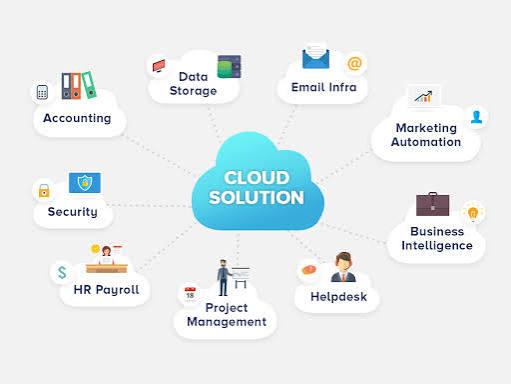
In today's digital world, businesses need reliable technology to remain competitive, improve productivity, and achieve long-term success. As companies grow, managing data, applications, and daily operations becomes more challenging. Traditional IT systems may not always provide the flexibility and efficiency required to support business expansion. This is where Cloud Solutions play an important role. They help businesses improve operations, reduce technology costs, enhance collaboration, and access important information from anywhere. By implementing the right cloud strategy, organizations can build a stronger digital foundation and create new opportunities for growth.
What Are Cloud Solutions?
Cloud Solutions are technology services that allow businesses to store data, run applications, manage systems, and access computing resources through the internet instead of relying entirely on physical servers and local hardware.
These services provide flexible resources that can be adjusted according to business requirements. Companies can use cloud-based storage, software, databases, hosting, and security tools without investing heavily in their own infrastructure.
There are three common cloud service models:
Infrastructure as a Service (IaaS): Provides virtual servers, storage, and networking resources.
Platform as a Service (PaaS): Offers tools and environments for developing and managing applications.
Software as a Service (SaaS): Provides ready-to-use software through the internet.
Each model supports different business needs and helps organizations manage technology more effectively.
Why Businesses Need Cloud Solutions for Growth
Business growth requires flexibility, efficient operations, and access to reliable information. Companies that depend on outdated systems may experience slow processes, higher maintenance costs, and limited opportunities for expansion.
Cloud technology helps overcome these challenges by providing modern digital infrastructure.
1. Improve Business Flexibility
One of the biggest advantages of cloud technology is flexibility. Businesses can increase or decrease their computing resources according to changing demands. For example, an online store can increase its cloud capacity during busy shopping seasons and reduce it when traffic returns to normal.
This flexibility allows companies to manage resources efficiently without purchasing additional physical equipment.
2. Reduce IT Infrastructure Costs
Traditional IT infrastructure requires businesses to purchase servers, networking equipment, storage devices, and maintenance services. These expenses can become difficult to manage, especially for small and growing companies.
Cloud-based services reduce the need for large upfront investments. Businesses can choose subscription-based or usage-based pricing models and pay for the resources they actually need. This helps improve budget management and allows companies to invest more in marketing, customer service, and product development.

3. Support Remote Work and Collaboration
Modern businesses often have employees working from different locations. Cloud platforms allow teams to access shared files, applications, and business information through secure internet connections.
Employees can collaborate on projects, share documents, and communicate more efficiently. This improves teamwork, reduces delays, and helps businesses maintain productivity across different departments.
Steps to Implement Cloud Solutions Successfully
Implementing cloud technology requires proper planning and a clear understanding of business objectives. Choosing services without evaluating business needs can create unnecessary expenses and technical challenges. The following steps can help organizations build an effective cloud strategy.
1. Identify Your Business Requirements
Before selecting a cloud provider, identify the challenges your business wants to solve. Consider whether you need better data storage, improved application performance, remote access, or stronger security.
Review your existing IT infrastructure and identify systems that could benefit from cloud migration. You should also consider your business size, budget, industry requirements, and future growth plans.
Having clear objectives makes it easier to select suitable cloud services.
2. Choose the Right Cloud Deployment Model
Businesses can choose between different cloud deployment models depending on their requirements.
Public Cloud: Resources are provided through third-party cloud platforms and shared across multiple customers.
Private Cloud: Infrastructure is dedicated to a single organization, offering greater control over its environment.
Hybrid Cloud: Combines public and private cloud environments to provide flexibility.
Multi-Cloud: Uses services from multiple cloud providers to meet different operational requirements.
The right model depends on your security needs, budget, workload, and business goals.
3. Select a Reliable Cloud Service Provider
Choosing the right provider is an important part of successful cloud implementation. Businesses should compare providers based on performance, security, reliability, pricing, and customer support.
Popular providers include Amazon Web Services (AWS), Microsoft Azure, and Google Cloud.
Look for features such as data backup, disaster recovery, access management, monitoring tools, and service availability. A reliable provider should also offer flexible services that can support your business as it grows.
4. Plan Your Cloud Migration
Moving business data and applications to the cloud requires careful preparation. Start by identifying which systems should be migrated first and which applications may need modification.
Create a migration plan that includes timelines, responsibilities, backup procedures, and testing requirements. Begin with less critical applications to identify potential issues before moving important business systems.
A structured migration process helps reduce downtime, protect business information, and maintain operational continuity.
5. Strengthen Cloud Security
Security should be a priority throughout the implementation process. Although cloud providers offer various security features, businesses must also manage their own access controls, configurations, and data protection practices.
Important security measures include:
Use strong passwords and multi-factor authentication.
Assign access permissions according to employee responsibilities.
Encrypt sensitive business information.
Regularly update applications and systems.
Monitor activities for suspicious behavior.
Maintain regular data backups.
These practices help protect valuable information and reduce the risk of unauthorized access.
6. Train Employees and Monitor Performance
Technology delivers better results when employees understand how to use it properly. Provide training sessions to help staff work with cloud-based applications, manage files, and follow security procedures.
After implementation, monitor system performance, resource usage, and operational costs. Regular reviews help identify problems and highlight opportunities for improvement.
How Cloud Solutions Drive Long-Term Business Growth
Cloud technology does more than improve IT infrastructure. It creates opportunities for businesses to innovate, serve customers, and compete in changing markets.
Enhance Customer Experience
Customers expect fast, reliable, and convenient digital services. Cloud-based applications help businesses manage customer information, improve website performance, and deliver more responsive services.
For example, companies can use cloud-based customer relationship management (CRM) platforms to track customer interactions, understand preferences, and improve communication.
Encourage Business Innovation
Cloud platforms provide access to modern technologies, including artificial intelligence, machine learning, and advanced data analytics. Businesses can use these tools to understand market trends, automate processes, and make better decisions.
This creates opportunities to develop new services and improve existing products.
Improve Business Continuity
Unexpected technical problems, hardware failures, or natural disasters can interrupt business operations. Cloud-based backup and disaster recovery services help organizations protect important information and restore systems when problems occur.
Having a recovery plan reduces operational disruption and supports business stability.
Common Mistakes to Avoid During Cloud Implementation
Although cloud technology offers several benefits, poor planning can limit its effectiveness. Businesses should avoid common mistakes such as:
Moving all applications without evaluating compatibility.
Choosing a provider based only on low pricing.
Ignoring data security and privacy requirements.
Failing to train employees.
Overlooking ongoing cloud expenses.
Not monitoring system performance.
Avoiding these mistakes helps businesses achieve better results and make their cloud investments more valuable.
Conclusion
Implementing Cloud Solutions is an effective way for businesses to improve efficiency, manage costs, strengthen collaboration, and support long-term growth. However, successful implementation requires clear objectives, the right cloud model, a reliable provider, proper migration planning, and strong security practices.
By taking a strategic approach, businesses can build flexible IT infrastructure that adapts to changing demands and supports future opportunities. Whether a company is a small startup or an established organization, cloud technology can help create a more efficient, innovative, and competitive business environment.
Join the Conversation
Share Your Thoughts
Related Articles

What Are the Benefits of University of Wolverhampton?
Explore the courses offered by the University of Wolverhampton, including undergraduate and postgraduate programs, popular subjects, and study options for international students.

University of Wolverhampton Entry Requirements Guide
University of Wolverhampton foundation year: entry requirements, IELTS 5.5, and fees from £17,600, plus free guidance on your eligibility.

What Are the Key Rules of Contract Law
Contract lawyer in Lahore for drafting, reviewing, and amending contracts, and resolving contract disputes. Book a consultation with Rana & Baig Law Firm.