How University of Birmingham Prepares You for Work
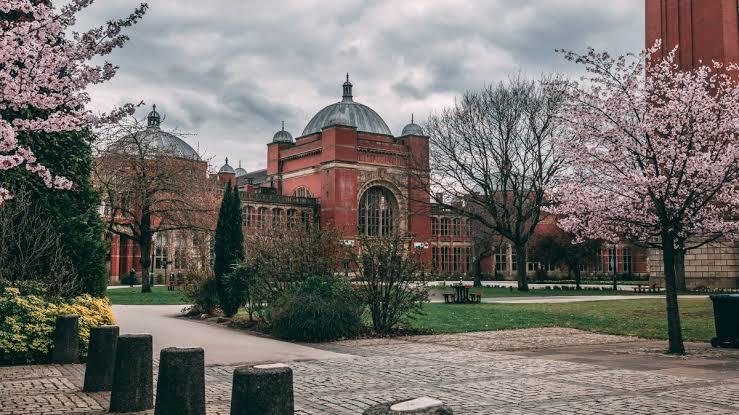
Preparing for a successful career involves more than earning a university degree. Employers often look for graduates who have subject knowledge, communication skills, practical experience, and the ability to solve problems. Choosing the right university can help students develop these qualities and understand what employers expect from future professionals. The University of Birmingham offers an academic environment where students can build their knowledge while exploring opportunities for career development.
Located in Birmingham, England, the University of Birmingham provides undergraduate and postgraduate programmes across a wide range of subjects. Its learning environment, careers resources, research opportunities, and links with employers can help students prepare for professional life. Whether students are interested in business, engineering, healthcare, technology, or other fields, they can take steps to connect their education with their future ambitions.
1. Developing Skills Employers Value
One of the main ways the University of Birmingham prepares students for work is by helping them develop transferable skills. These are abilities that can be useful across different industries and job roles.
Communication, teamwork, critical thinking, time management, and problem-solving are important in many workplaces. Students can develop these skills through presentations, group assignments, independent research, and classroom discussions, depending on their chosen course.
For example, a group project can teach students how to share responsibilities, listen to different opinions, and work towards a common goal. Written assignments can improve their ability to organise information and communicate ideas clearly.
These skills can help graduates adapt to different working environments. Students should also look for opportunities outside their regular classes to practise what they learn and build confidence before entering the job market.
2. Connecting Academic Knowledge with Practical Experience
Employers often want graduates who can apply their knowledge to real-world situations. The University of Birmingham provides different learning experiences, depending on the programme, that can help students understand how academic concepts relate to professional challenges.
Practical assignments, laboratory work, research projects, case studies, and presentations may form part of a student's learning experience. These activities can help students analyse information, develop solutions, and explain their findings.
For instance, a business student might examine how an organisation responds to a market challenge, while an engineering student could explore technical problems through practical work. Students in other subjects may develop professional skills through research, placements, or project-based learning where available.
Applicants should check their chosen course details to see whether it includes placements, industry projects, or other practical opportunities. Availability and eligibility can differ between programmes.
3. Accessing Career Guidance and Support
Understanding how to find a job is an important part of career preparation. The University of Birmingham provides careers resources to help students explore possible career paths and prepare for recruitment.
Students may be able to access guidance on CV writing, application forms, interview preparation, and career planning. These resources can help them present their qualifications and experience clearly to potential employers.
Career advisers and relevant university activities can also help students identify areas for improvement and understand the expectations of different industries.
It is useful to begin using career support early rather than waiting until the final semester. Students who prepare their CVs, research employers, and practise interview questions throughout their studies may feel more confident when applying for graduate positions.
Students should check the university's current careers services to understand which resources are available and whether any activities have specific eligibility requirements.
4. Building Professional Networks
Professional relationships can help students learn about industries, discover opportunities, and understand different career options. The University of Birmingham offers an environment where students can connect with academics, fellow students, and professionals through relevant activities.
Employer presentations, networking events, careers fairs, and industry-related sessions may provide opportunities to hear directly from people working in different fields. Students can ask questions, learn about workplace expectations, and explore the qualifications employers value.
Building relationships with classmates can also be beneficial. Group projects allow students to practise collaboration and develop connections with people who have different interests and experiences.
Students can make networking more effective by preparing questions, introducing themselves professionally, and following up appropriately after relevant events. They should focus on building genuine professional relationships rather than simply collecting contacts.
5. Exploring Internships and Work Experience
Work experience can help students understand professional responsibilities before graduating. It may also give them examples of their skills to discuss during future job interviews.
Students at the University of Birmingham should explore suitable internships, placements, volunteering opportunities, and part-time work related to their interests. The availability of these options depends on the programme, employer requirements, and individual circumstances.
An internship may help a student understand workplace communication, manage deadlines, and contribute to team projects. Volunteering can also develop organisation, leadership, and interpersonal skills.
Students should begin searching for relevant opportunities early because some employers recruit months in advance. They should also consider how each opportunity supports their long-term goals.
International students must check the conditions of their visa before accepting paid or unpaid work. They should use official UK government guidance to understand the rules that apply to their circumstances.

6. Preparing for Global Career Opportunities
Many organisations work across national borders and employ people from different cultural backgrounds. Graduates who can communicate effectively, adapt to change, and understand different perspectives may find these abilities useful in international workplaces.
The University of Birmingham's diverse academic community can give students opportunities to interact with people from different backgrounds. Working on assignments with classmates who have different experiences may help students develop cultural awareness and collaboration skills.
International students can also gain experience of studying in the UK, managing their responsibilities independently, and adapting to a new environment.
These experiences may support career development in the UK, students' home countries, or other international markets. However, working in another country may require specific qualifications, professional registration, or permission under immigration rules.
Students should research the requirements of their intended employment destination before making career plans.
7. Choosing a Degree That Supports Your Career Goals
A student's degree choice can influence the knowledge and skills they develop. The University of Birmingham offers programmes across several subject areas, allowing applicants to explore courses that match their interests and ambitions.
Before applying, students should investigate the modules, assessment methods, entry requirements, and potential career pathways associated with each programme. They should also check whether their intended profession requires additional qualifications or accredited training.
For example, students interested in technology may want to compare computing-related courses, while those interested in organisations and markets might explore business or economics programmes.
Choosing a course based on genuine interest and realistic career planning can help students remain motivated and make better use of university resources.
Students should remember that no degree guarantees a specific job. Practical experience, professional skills, academic performance, and the changing needs of employers also influence employment opportunities.
8. Developing Confidence and Independence
The transition from education to employment requires students to manage responsibilities, make decisions, and respond to challenges. University life can help them practise these abilities.
At the University of Birmingham, students may develop independence by organising their study schedules, completing assignments, participating in societies, and balancing academic commitments with personal responsibilities.
Student societies and volunteering activities can also offer opportunities to practise leadership, teamwork, and communication. These experiences may provide useful examples to discuss when applying for jobs.
Students can strengthen their preparation by setting career goals, reviewing their progress, and identifying skills they still need to develop. Taking small steps throughout their degree can make the move into professional life more manageable.
Conclusion
The University of Birmingham can help students prepare for work through academic learning, transferable skills, careers resources, networking opportunities, and practical experiences. These opportunities can support students as they explore professional pathways and develop the qualities employers value.
However, career preparation requires active participation. Students should seek relevant experience, build professional relationships, use available careers support, and keep improving their skills throughout their studies.
By combining their degree with practical learning and careful career planning, students can build a stronger foundation for entering the job market and pursuing long-term professional goals.
Add a clear student action planReduce repeated career advice
Join the Conversation
Share Your Thoughts
Related Articles

What Are the Benefits of University of Wolverhampton?
Explore the courses offered by the University of Wolverhampton, including undergraduate and postgraduate programs, popular subjects, and study options for international students.
University of Wolverhampton Entry Requirements Guide
University of Wolverhampton foundation year: entry requirements, IELTS 5.5, and fees from £17,600, plus free guidance on your eligibility.

What Are the Key Rules of Contract Law
Contract lawyer in Lahore for drafting, reviewing, and amending contracts, and resolving contract disputes. Book a consultation with Rana & Baig Law Firm.