What Makes Queen’s University Belfast Research Strong

Research plays an important role in improving education, developing new technologies, and finding solutions to global challenges. Universities that invest in research provide students with opportunities to explore new ideas, understand complex problems, and contribute to meaningful discoveries. Queen’s University Belfast is recognised as a research-intensive university with a strong reputation for academic excellence, innovation, and international collaboration.
Located in Belfast, Northern Ireland, Queen’s University Belfast is a member of the Russell Group, which represents 24 leading research-intensive universities in the UK. Its commitment to research helps create an academic environment where students and academics can explore new knowledge and address important issues affecting society.
The university conducts research across several disciplines, including medicine, engineering, science, business, law, and social sciences. Its combination of experienced researchers, modern facilities, international partnerships, and research-led teaching makes it an attractive destination for students interested in academic development.
1. Strong Research Reputation and Academic Excellence
One of the main reasons Queen’s University Belfast research is strong is its established academic reputation. The university has a long history of supporting research activities and developing knowledge across different academic fields.
Its membership of the Russell Group reflects its commitment to research excellence, high-quality teaching, and innovation. This research-focused environment encourages academics to investigate important questions and produce findings that can benefit industries and communities.
Research Excellence Framework Recognition
The Research Excellence Framework (REF) is a UK-wide assessment that evaluates the quality and impact of university research. In REF 2021, 99% of Queen’s University Belfast's research environment was assessed as world-leading or internationally excellent. This result demonstrates the strength of its research culture and academic infrastructure.
The assessment also recognised the university's research quality and wider impact, highlighting its contribution to academic knowledge and society.
2. Advanced Research Facilities and Modern Technology
Strong research requires access to modern facilities, specialist equipment, and advanced technology. Queen’s University Belfast invests in research infrastructure to help academics, postgraduate students, and industry partners conduct high-quality investigations.
The university provides specialist laboratories, research centres, and advanced facilities across different academic disciplines.
Research in Science and Technology
Students interested in science, engineering, and technology can explore research opportunities involving digital innovation, artificial intelligence, cybersecurity, and engineering developments.
One important example is the Centre for Secure Information Technologies (CSIT), which focuses on cybersecurity research and innovation. It supports collaboration between academics and industry to address modern digital security challenges.
Medical and Healthcare Research
Queen’s also has significant strengths in medical and healthcare research. Its Precision Medicine Centre supports research and innovation aimed at improving disease diagnosis and treatment.
These facilities help researchers connect scientific discoveries with practical healthcare solutions.
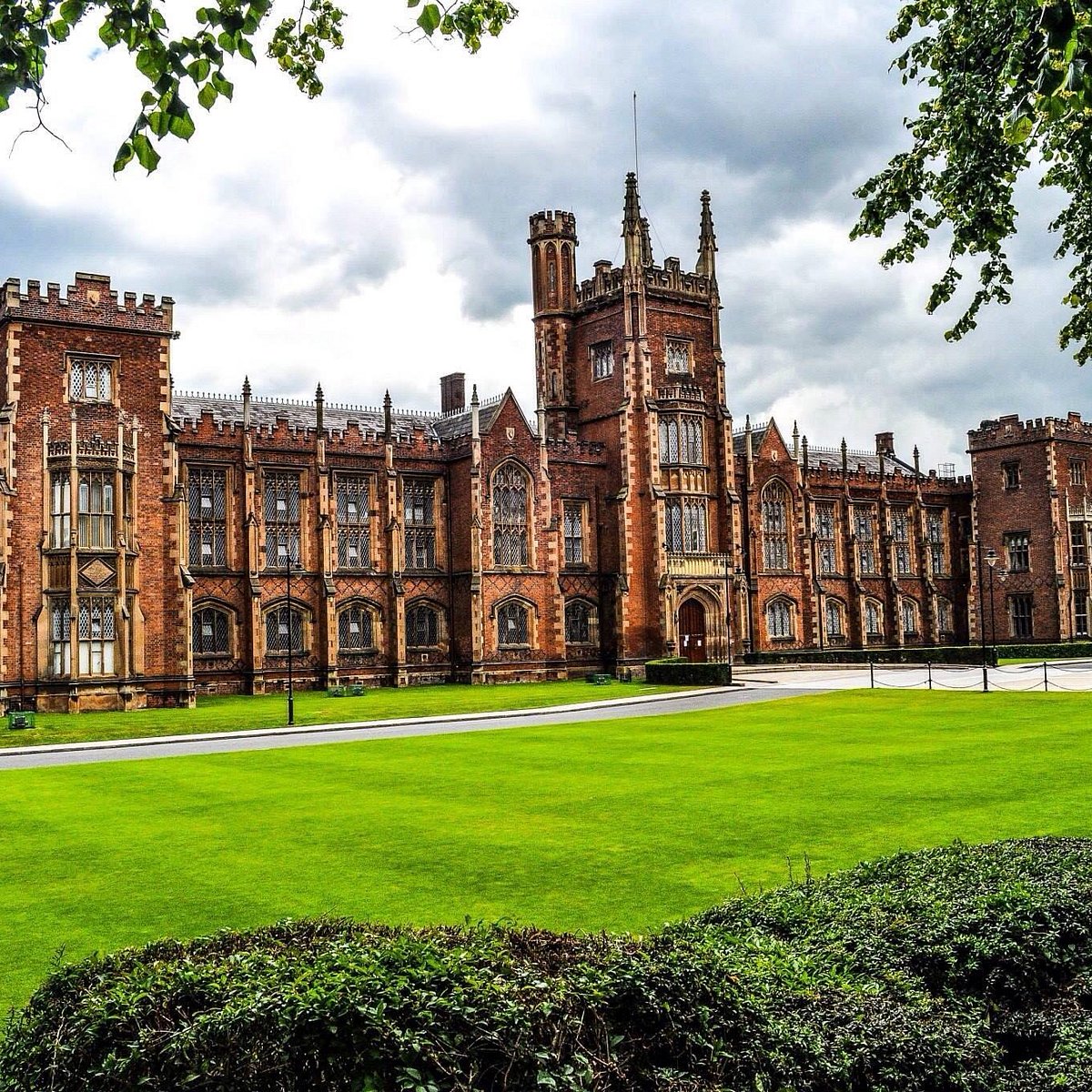
3. Research Across Multiple Academic Disciplines
Another factor that makes Queen’s University Belfast research strong is its wide range of academic research areas. The university supports research across different subjects, allowing students and academics to explore their interests.
Medicine, Health and Life Sciences
Healthcare research focuses on improving medical treatments, understanding diseases, and developing better healthcare services. Research in areas such as cancer studies, nursing, pharmacy, and biomedical sciences contributes to medical knowledge and public health.
Engineering and Physical Sciences
Engineering and physical sciences research explores technology, advanced materials, energy, and innovative solutions to technical problems. These areas are important for developing new products, improving industrial processes, and supporting sustainable development.
Arts, Humanities and Social Sciences
Research is not limited to science and technology. Queen’s also supports research in law, history, literature, politics, education, and social sciences. These subjects help researchers understand society, culture, human behaviour, and international challenges.
Queen's University Belfast+1
4. International Research Collaborations
Research becomes more valuable when universities work together and exchange knowledge. Queen’s University Belfast has developed international partnerships with universities, research organisations, and industry professionals.
These collaborations allow researchers to share expertise, access international funding opportunities, and work on projects that address global challenges.
The university has participated in more than 120 Horizon 2020 projects, involving collaborations across 52 countries. This demonstrates its experience in international research cooperation.
Queen's University Belfast
Sharing Knowledge Across Borders
International research partnerships encourage academics to explore different approaches and perspectives. They also help students understand how research contributes to global development.
For postgraduate students, studying in this environment can provide valuable exposure to international academic standards and research practices.
5. Research That Addresses Global Challenges
Queen’s University Belfast focuses on research that can make a meaningful difference to society. Its research priorities include healthcare, sustainability, technology, economic development, and inclusive communities.
Sustainable Development and Environmental Research
Researchers investigate environmental issues such as climate change, water scarcity, soil degradation, and sustainable energy. Their work aims to develop solutions that can support communities and protect natural resources.
Innovation in Artificial Intelligence and Cybersecurity
Digital technology is changing industries around the world. Research at Queen’s explores areas such as artificial intelligence, data innovation, and cybersecurity to help address emerging technological challenges.
This research is particularly relevant for students interested in computer science, software development, information security, and technology-related careers.
Queen's University Belfast+1
6. Strong Connections Between Research and Industry
Research is most effective when discoveries can be applied outside the university. Queen’s University Belfast encourages collaboration with businesses, healthcare organisations, and industry partners.
These connections help researchers understand real-world problems and develop practical solutions.
The university also hosts industry-focused research facilities and competence centres in areas such as agri-food and sustainable energy. Its cybersecurity research centre provides another example of how academic expertise can support industry innovation.
For students, these connections can provide insight into professional industries, emerging technologies, and potential career opportunities.
7. Opportunities for Students to Develop Research Skills
Research excellence also creates a valuable learning environment for students. Queen’s University Belfast encourages independent learning, critical thinking, and academic investigation.
Students can develop research skills through coursework, dissertations, laboratory activities, and postgraduate research programmes.
Important skills include:
Collecting and analysing information.
Evaluating academic sources.
Developing research questions.
Solving complex problems.
Presenting findings clearly.
Working independently and collaboratively.
These abilities can support students who want to continue towards doctoral studies, academic careers, or research-focused professional roles.
8. Research Recognition and Global Impact
The university's research achievements strengthen its international reputation. According to its published research information, Queen’s University Belfast ranks among the top 105 universities worldwide for research quality in the Times Higher Education World University Rankings 2026. It also has 24 subjects in the global top 200 in the QS World University Rankings by Subject 2026.
These achievements demonstrate the university's research strengths across different disciplines. More importantly, its focus on practical outcomes shows how academic work can contribute to healthcare, technology, society, and economic development.
Conclusion
Queen’s University Belfast has a strong research reputation because of its academic excellence, advanced research facilities, international partnerships, and commitment to solving global challenges. Its Russell Group membership and REF 2021 results further demonstrate the quality of its research environment.
From medical discoveries and engineering innovation to artificial intelligence, cybersecurity, and environmental sustainability, the university supports research across a wide range of important subjects.
For international students, this research-focused environment offers opportunities to develop analytical abilities, gain academic experience, and explore new ideas. Students considering Queen’s University Belfast should explore the research strengths of their chosen department and check whether relevant undergraduate, postgraduate, or doctoral opportunities are available. This can help them select a course that supports their academic interests and long-term career ambitions.
Join the Conversation
Share Your Thoughts
Related Articles

What Are the Benefits of University of Wolverhampton?
Explore the courses offered by the University of Wolverhampton, including undergraduate and postgraduate programs, popular subjects, and study options for international students.
University of Wolverhampton Entry Requirements Guide
University of Wolverhampton foundation year: entry requirements, IELTS 5.5, and fees from £17,600, plus free guidance on your eligibility.

What Are the Key Rules of Contract Law
Contract lawyer in Lahore for drafting, reviewing, and amending contracts, and resolving contract disputes. Book a consultation with Rana & Baig Law Firm.